



Scores Symphony Orchestra Grade 5 to 8
Sort by
Authors

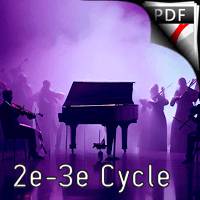
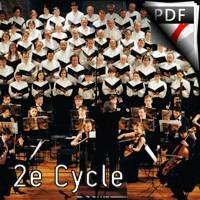
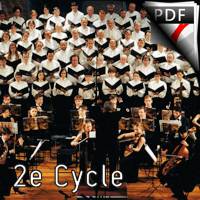
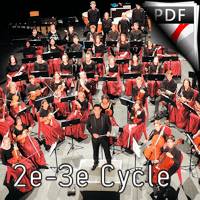
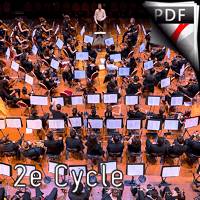

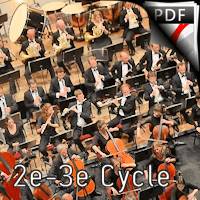

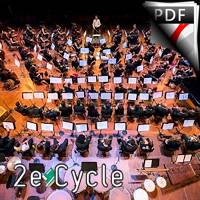





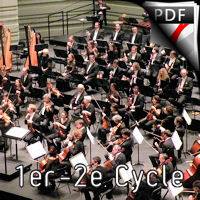
A symphony orchestra is a large instrumental ensemble typical of classical music, combining instruments from different families, including bowed string instruments such as the violin, viola, cello and double bass, as well as brass, woodwinds and percussion, grouped together in sections. Other instruments such as the piano and celesta can sometimes appear in a fifth keyboard section or stand alone, as can the concert harp and, for the performance of certain modern compositions, electronic instruments.
A full symphony orchestra may sometimes be called a philharmonic orchestra. The actual number of musicians employed in a given performance may vary from seventy to over a hundred, depending on the work being played and the size of the hall. The term chamber orchestra (and sometimes concert orchestra) usually refers to smaller ensembles of fifty or fewer musicians. Orchestras that specialise in the baroque music of Johann Sebastian Bach and George Friedrich Handel, for example, or the classical repertoire, such as that of Haydn and Mozart, tend to be smaller than orchestras that perform a repertoire of romantic music, such as the symphonies of Johannes Brahms. The typical orchestra grew in size over the course of the eighteenth and nineteenth centuries, reaching its apogee with the large orchestras (of up to 120 musicians) that were the work of Richard Wagner and, later, Gustav Mahler.
Orchestras are usually led by a conductor. The conductor unifies the orchestra, sets the tempo and shapes the sound of the ensemble. The conductor also prepares the orchestra by leading the rehearsals before the public concert, during which the conductor instructs the musicians on the interpretation of the music played on the scores.
The leader of the first violin section, commonly known as the concertmaster, also plays an important role in directing the musicians. In the Baroque period (1600-1750), orchestras were often conducted by the concertmaster or by a musician playing basso continuo on a harpsichord or pipe organ, a tradition continued by some early music ensembles in the 20th and 21st centuries. Orchestras play a wide range of repertoire, including symphonies, opera and ballet overtures, concertos for solo instruments and pit ensembles for operas, ballets and certain types of musical theatre.
Amateur orchestras include primary and secondary school orchestras, orchestras of young musicians and orchestras of young musicians.The latter two are generally made up of amateur musicians from a particular town or region.
The term orchestra derives from the Greek ὀρχήστρα (orchestra), the name of the space in front of a stage in ancient Greek theatre reserved for the Greek chorus.