


Scores Cello
Sort by
Authors























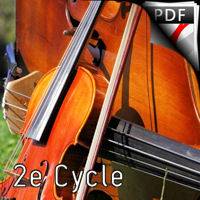


















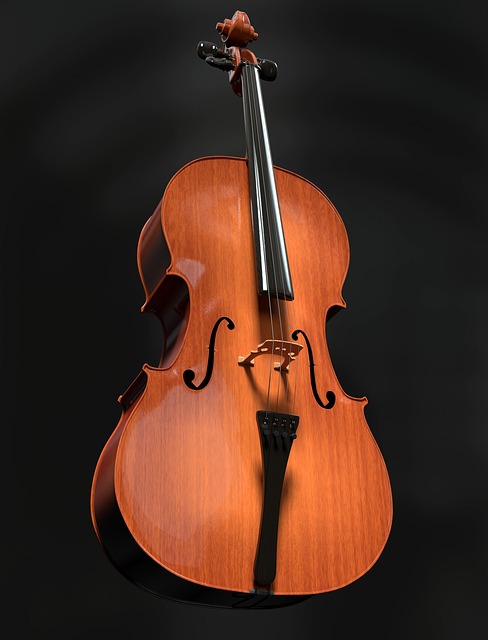 The cello is a stringed instrument. It is played by bowing or plucking its four strings, which are generally tuned in perfect fifths an octave lower than the viola: from low to high, C2, G2, D3 and A3. It is the bass member of the violin family, which also includes the violin, viola and double bass, which doubles the bass line an octave lower than the cello in much of the orchestral repertoire. After the double bass, it is the second-largest and second-lowest (in pitch) bowed string instrument in the modern symphony orchestra. The cello is used as a solo instrument, as well as in chamber music ensembles (e.g. string quartets), string orchestras, as a member of the string section of symphony orchestras and in certain types of rock band.
Cello music is generally written in the key of F, but the key of C-4 is used for the higher parts, both in orchestral and chamber music and in works for solo cello. A person who plays the cello is called a cellist. In a small classical ensemble, such as a string quartet, the cello usually plays the bass, the lowest musical line in the piece. In Baroque (c. 1600-1750) and Classical (c. 1725-1800) orchestras, the cello generally plays the bass part, usually doubled an octave lower by the double basses. In Baroque music, the cello is often used to play the basso continuo line, usually with a keyboard instrument (e.g. organ or harpsichord) or a fretted and plucked string instrument (e.g. lute or theorbo). In such a Baroque performance, the cellist may be joined or replaced by other bass instruments, such as bassoon, double bass, viola or other low instruments.